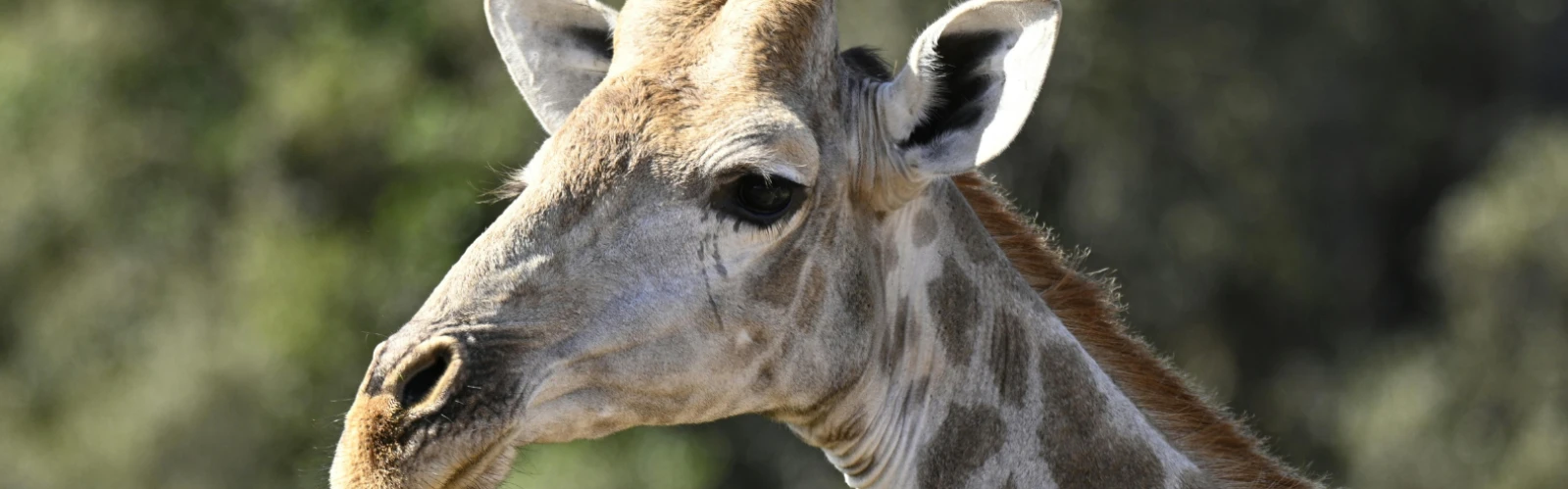
Wildlife Watching in El Portal: Best Spots for Nature Enthusiasts

Introduction to El Portal’s Rich Wildlife Ecosystem Near Yosemite National Park
El Portal, a small yet ecologically rich village located near the western entrance of Yosemite National Park, offers one of the most underrated wildlife watching experiences in California. Surrounded by steep canyon walls, dense pine forests, and the flowing Merced River, this area creates a natural corridor for a wide variety of animals. Wildlife watching in El Portal is especially rewarding because it combines accessibility with untouched natural beauty, making it perfect for both beginners and experienced nature enthusiasts.
The region serves as a transition zone between low-elevation foothills and the higher Sierra Nevada ecosystems. This means visitors can observe diverse species ranging from river-dwelling birds to forest mammals. Early mornings often reveal deer grazing quietly near the riverbanks, while evenings bring out nocturnal creatures moving through the forest edges.
One of the most fascinating aspects of El Portal is how closely wildlife interacts with its environment. You don’t need deep wilderness trekking to witness nature here; even roadside viewpoints can offer sightings of hawks, raccoons, or black-tailed deer. The Merced River also attracts amphibians and insects, which in turn draw birds and small predators.
Overall, El Portal acts as a living gateway to Yosemite’s broader biodiversity, offering a compact but incredibly rich wildlife experience.
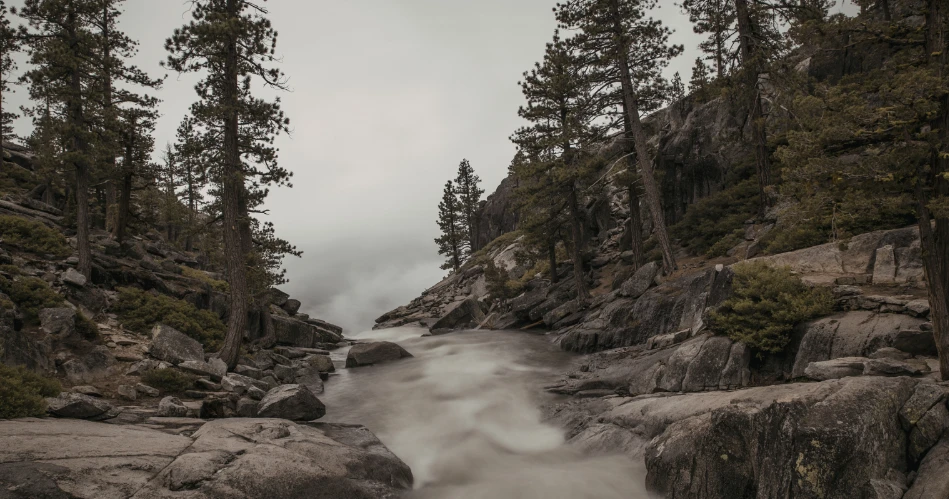
Best Seasons and Timing for Wildlife Watching in El Portal’s Natural Habitats
Timing plays a crucial role in wildlife watching in El Portal, as seasonal changes dramatically influence animal behavior and visibility. Each season offers a unique opportunity to observe different species in their natural rhythms.
Spring is one of the most vibrant times, as melting snow increases river flow and vegetation blooms across the valley. This season attracts migratory birds, nesting waterfowl, and active mammals foraging after winter scarcity. You’ll often spot deer with fawns and a surge in bird activity near the riverbanks.
Summer brings warmer temperatures and more predictable wildlife patterns. Animals tend to be active during early mornings and late evenings to avoid midday heat. This is also when visitors can observe butterflies, lizards, and small mammals in abundance along shaded trails.
Autumn transforms El Portal into a golden landscape. Animals begin preparing for winter, increasing their feeding activity. Deer herds are commonly seen in open meadows, while birds migrate through the region in large numbers.
Winter, although quieter, offers rare and peaceful wildlife encounters. Snow-dusted forests make it easier to spot animal tracks, and larger mammals like coyotes and deer move closer to lower elevations.
For the best experience, early morning and dusk remain the most productive times throughout the year, as wildlife is most active during these cooler, low-disturbance hours.
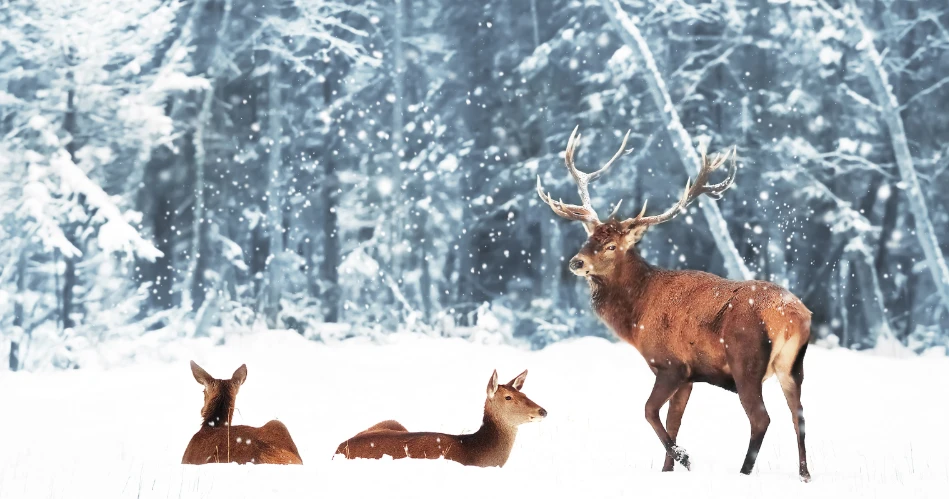
Exploring Merced River Corridors as Prime Wildlife Observation Zones in El Portal
The Merced River is the lifeline of El Portal’s ecosystem and one of the best places for wildlife watching in El Portal. Flowing directly through the canyon, it creates a lush riparian habitat that attracts an incredible diversity of species.
Riverbanks are especially active during early mornings when animals come to drink water or forage. Deer, raccoons, and even black bears occasionally visit the water’s edge, particularly in quieter stretches away from human activity. Birdlife is equally impressive, with herons, kingfishers, and ducks frequently seen hunting or nesting along the shoreline.
The river also supports amphibians such as frogs and salamanders, which become active after rainfall. These smaller creatures play a vital role in the ecosystem, attracting snakes and predatory birds.
One of the best ways to experience this corridor is by walking along designated viewpoints and safe pull-off areas near the river. The sound of rushing water combined with bird calls creates an immersive natural experience that feels untouched and raw.
Photographers often favor this area due to its dynamic lighting conditions and reflections on the water, especially during sunrise and sunset. The combination of water, forest, and wildlife makes the Merced River corridor a core highlight of El Portal’s natural beauty.
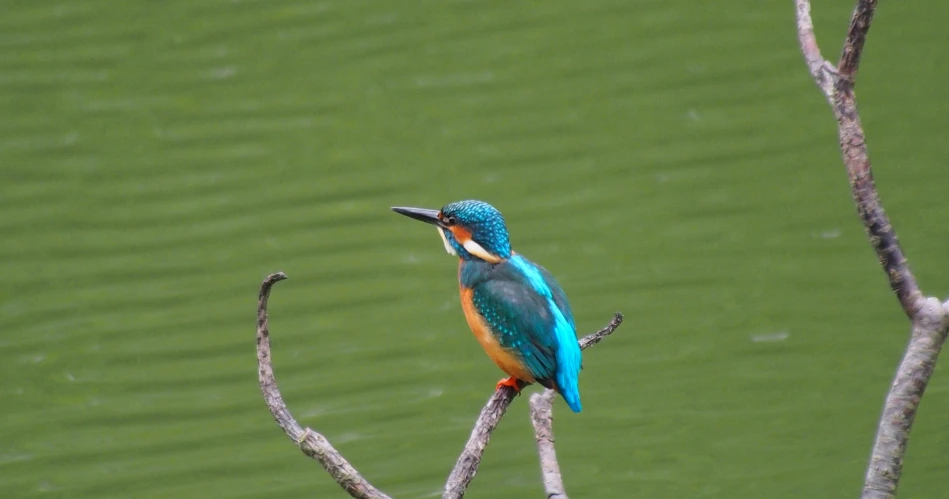
Birdwatching Hotspots in El Portal for Rare and Migratory Species Observation
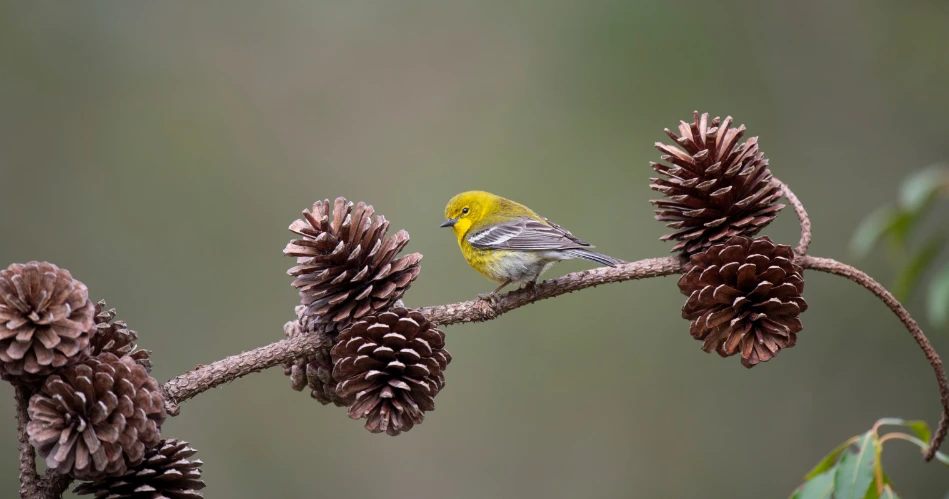
Birdwatching is one of the most rewarding aspects of wildlife watching in El Portal, thanks to its diverse elevation range and rich vegetation. The area serves as a natural migration route, attracting both resident and seasonal bird species.
Forest edges and riverbanks are prime locations for spotting species like Steller’s jays, American robins, and woodpeckers. Early mornings are particularly active, with birds calling and foraging as sunlight filters through the canyon walls.
During migration seasons, El Portal becomes a temporary home for warblers, swallows, and hawks passing through the Sierra Nevada corridor. Raptors such as red-tailed hawks and peregrine falcons can often be seen soaring above cliffs, scanning for prey.
Riparian zones along the Merced River attract water-associated birds, including herons, ducks, and kingfishers. These areas provide both food and shelter, making them consistent birdwatching spots throughout the year.
For enthusiasts, quiet observation is key. Birds are sensitive to noise, so maintaining distance ensures better sightings and natural behavior observation. Using binoculars enhances the experience, especially when watching treetop activity.
El Portal’s combination of dense forest, open sky, and river habitat makes it a rare convergence zone for bird diversity, offering something new with every visit.
Mammal Sightings in El Portal Forests and Canyon Areas for Wildlife Enthusiasts
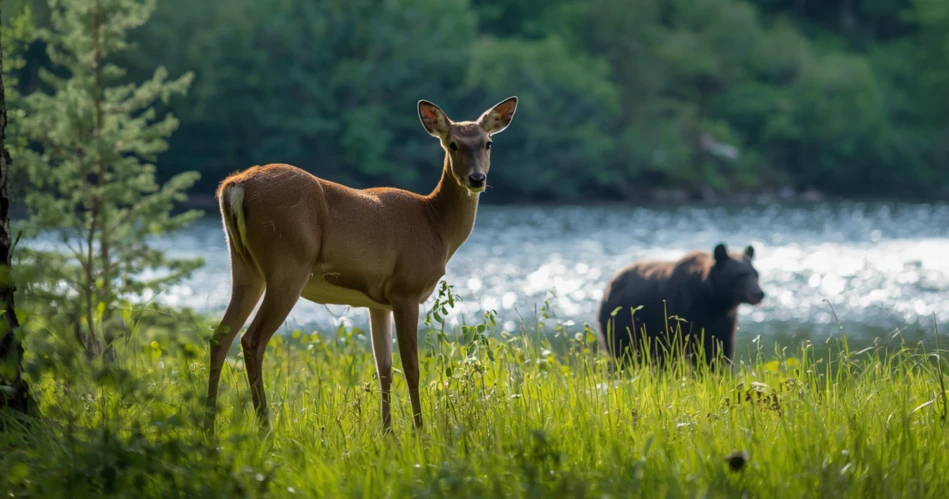
El Portal’s forests and canyon landscapes are home to a variety of mammals, making it an exciting destination for wildlife enthusiasts. The most commonly spotted species include mule deer, black bears, coyotes, and smaller mammals like raccoons and squirrels.
Mule deer are often seen grazing near open clearings or quietly moving through forest edges during dawn and dusk. Their calm behavior allows for relatively close yet respectful observation.
Black bears, though more elusive, occasionally appear near food sources or river corridors. Visitors are advised to maintain a safe distance and avoid any interaction, as bears are wild and unpredictable.
Coyotes are another fascinating species found in the region. They are more active during twilight hours and can sometimes be heard calling across the canyon. Their adaptability allows them to thrive in both forest and open terrain.
Smaller mammals like chipmunks, rabbits, and foxes add to the biodiversity and are easier to spot during daytime hikes. Their activity often indicates predator presence nearby, adding an exciting dynamic to wildlife observation.
Respectful observation is essential to preserving these habitats. Staying on trails and minimizing noise ensures that animals continue their natural behavior without disturbance.
Guided Wildlife Tours and Responsible Viewing Practices in El Portal Area
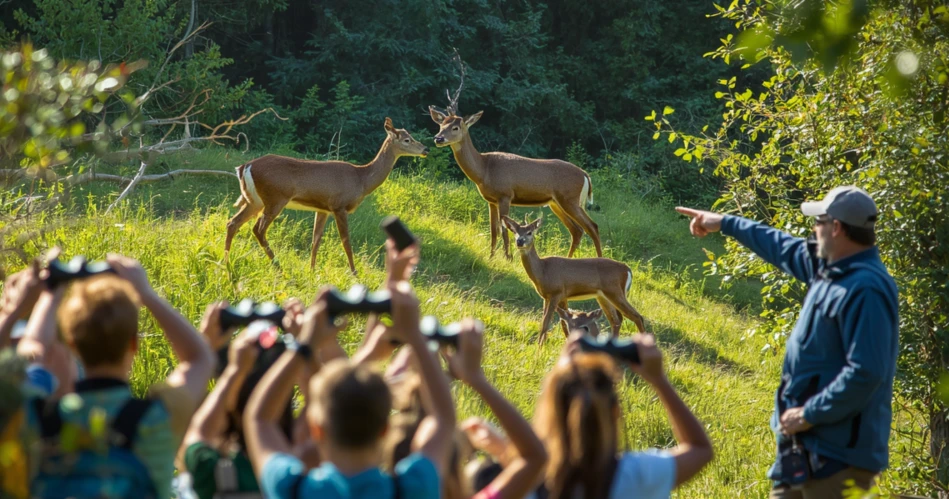
For those new to wildlife watching in El Portal, guided tours offer valuable insights into the region’s ecosystem. Local guides understand animal behavior patterns, safe viewing spots, and seasonal movement trends, making the experience more educational and rewarding.
Guided tours often focus on early morning or late evening excursions, when wildlife activity is highest. These tours may include stops along the Merced River, forest trails, and elevated viewpoints overlooking canyon habitats.
Responsible wildlife viewing is essential in preserving El Portal’s natural balance. Visitors are encouraged to maintain silence, avoid feeding animals, and keep a safe distance at all times. Flash photography and loud noises can disrupt natural behavior and should be avoided.
Leave-no-trace principles are strongly recommended. This includes carrying out all waste, staying on designated paths, and respecting restricted wildlife zones.
Tour guides also educate visitors about seasonal behavior changes, helping them understand why certain animals appear more frequently at different times of the year. This knowledge enhances appreciation and ensures a safer experience for both humans and wildlife.
By combining guided expertise with responsible practices, wildlife watching becomes a sustainable activity that protects El Portal’s ecosystem for future generations.
Wildlife Photography Tips for Capturing El Portal’s Natural Beauty Safely
El Portal is a dream destination for wildlife photographers due to its dramatic landscapes and rich animal activity. However, capturing these moments requires patience, technique, and respect for nature.
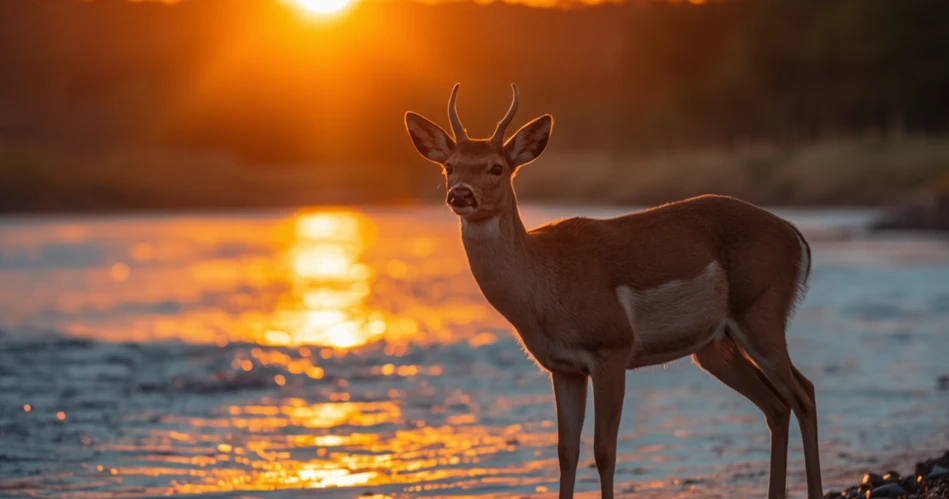
Natural lighting is one of the most important elements. Early morning and golden hour before sunset provide soft lighting that enhances animal textures and surroundings. Shadows in canyon areas can also add depth and mood to images.
Using zoom lenses allows photographers to maintain a safe distance while still capturing detailed shots. This is particularly important when photographing larger mammals such as deer or bears.
Stability is key in forest environments where light can be low. Tripods or steady hand positioning help avoid blurry images. Silent mode shooting is also recommended to avoid disturbing wildlife.
Composition should include natural elements such as rivers, trees, or cliffs to provide context and storytelling depth. Animals in their habitat create more impactful visuals than isolated subjects.
Most importantly, photographers must prioritize animal welfare over perfect shots. No image is worth disrupting natural behavior or putting wildlife at risk.
With patience and ethical practices, El Portal offers endless opportunities for breathtaking wildlife photography.
Conclusion: Embracing the Untouched Wilderness of El Portal for Memorable Wildlife Experiences
Wildlife watching in El Portal offers a rare combination of accessibility, diversity, and natural beauty. From the flowing Merced River to dense forest trails and canyon viewpoints, every corner of this region supports a thriving ecosystem filled with life.
Whether observing birds in flight, mammals along the forest edge, or seasonal changes shaping animal behavior, El Portal provides continuous opportunities for discovery. Its proximity to Yosemite National Park enhances its ecological richness while still maintaining a quieter, less crowded atmosphere.
For visitors, the experience is not just about spotting animals but also about understanding the delicate balance of nature. Respectful viewing, patience, and awareness transform a simple visit into a meaningful connection with the wild.
El Portal remains one of California’s hidden gems for nature enthusiasts, offering unforgettable moments for those willing to explore its natural rhythms. Every visit feels different, every sighting unique, and every experience deeply connected to the wilderness.

About Author
Sarah produces creative and informative content based on her travel experience. She keeps her blogs up-to-date with the latest information.